
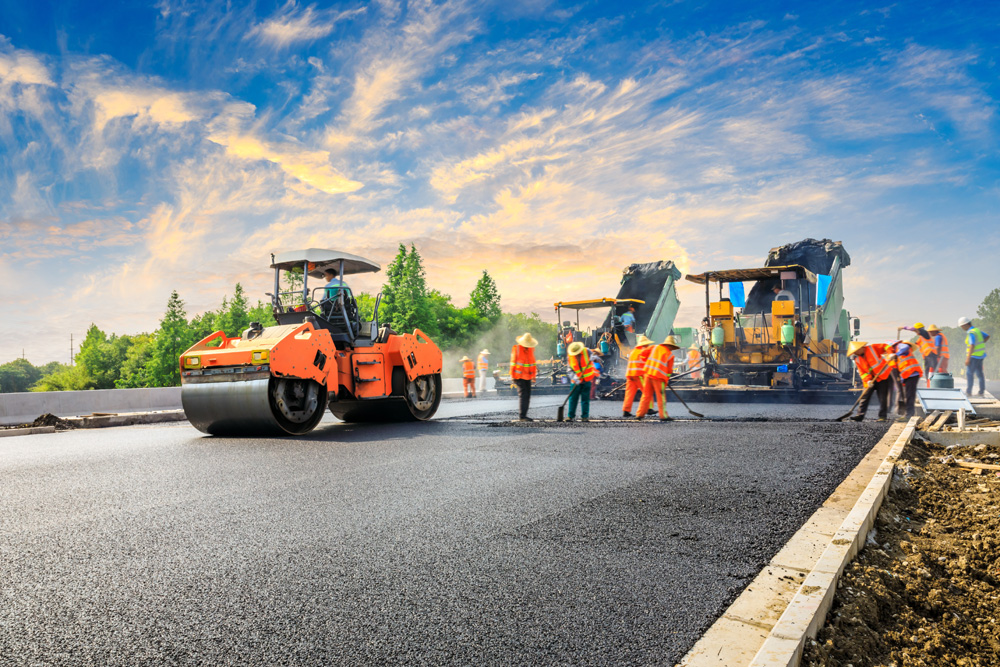
Recent road construction in Washington Heights has created significant changes to traffic patterns, pedestrian safety conditions, and accident rates throughout the neighborhood. While some improvements have reduced certain types of incidents, ongoing construction activity continues to introduce new hazards for drivers, cyclists, and pedestrians. Understanding how these changes affect safety — and what legal rights exist when accidents occur in construction zones — is essential for community members navigating these conditions daily.
Overview of Road Construction Projects in Washington Heights
Washington Heights is currently experiencing a series of road construction projects aimed at improving infrastructure and reducing congestion. The projects focus on modernizing road design to accommodate increased traffic volumes and enhance safety measures. Key elements include the expansion of lanes, installation of advanced traffic signals, and improved pedestrian pathways. The construction timeline is strategically phased to minimize disruption, though residents and commuters continue to navigate lane closures, detours, and altered travel routes throughout the affected corridors.
Analyzing Accident Statistics Before and After Construction
Although road construction projects in Washington Heights aim to enhance safety and reduce congestion, it is essential to examine accident statistics to assess their effectiveness. Data indicates that prior to construction, accident rates were significantly higher, with an average of 15 incidents per month at affected locations. Post-construction measurements at targeted intersections show a reduction to approximately 9 incidents per month — a meaningful improvement that reflects the impact of redesigned intersections and optimized traffic signals.
However, these aggregate figures do not capture the full picture. Temporary construction conditions have introduced new hazard types, particularly at transition points where lanes narrow, detours begin, or signage is unclear. The 40% drop in accidents at fully completed locations must be weighed against the elevated risk that exists in active construction segments where safety measures are less consistent.
Impact on Traffic Flow and Congestion
Several factors influence the impact of road construction on traffic flow and congestion in Washington Heights. Data from recent studies indicate that traffic signal optimization has played a vital role in managing congestion. Adjustments to signal timings have been implemented to accommodate altered traffic patterns due to construction, leading to improvements in traffic flow efficiency. Additionally, congestion mitigation strategies, such as the introduction of temporary turn restrictions and modified signal phases, have helped maintain reasonable travel times through the construction corridor. Still, unexpected delays and driver frustration in construction zones can lead to risky behaviors that contribute to accidents.
Pedestrian Safety Concerns and Improvements
Amid ongoing road construction, pedestrian safety in Washington Heights has emerged as a critical concern due to altered traffic patterns and increased construction activity. Data indicates a 15% rise in pedestrian-related incidents within the affected area during active construction phases. This uptick underscores the need for heightened pedestrian awareness and targeted safety education. Authorities have responded by implementing enhanced crosswalks, additional signage, and temporary pedestrian corridors. Nonetheless, construction zones frequently present hazards including uneven pavement, obscured sightlines, and unexpected changes to walking paths that require constant attention from pedestrians.
Cyclist Experience and Infrastructure Changes
As pedestrian safety measures are being strengthened, the focus has also shifted to cyclists traversing Washington Heights during the road construction. Recent data highlights a significant increase in the implementation of dedicated bike lanes, resulting in a 15% improvement in cyclist safety metrics at completed sections. The infrastructure accessibility for cyclists has been enhanced through clearer signage and improved road surfaces. However, cyclists in active construction zones face disruptions to established bike routes, temporary surface hazards, and reduced lane widths that increase the risk of conflicts with motor vehicle traffic. Cyclists should remain particularly alert in transition zones where bike lane markings end or are temporarily removed.
Community Feedback and Concerns
While the infrastructure improvements in Washington Heights aim to enhance cyclist and pedestrian safety during road construction, community feedback reveals a spectrum of concerns regarding their effectiveness. Data collected through community engagement initiatives indicate that 42% of residents question the adequacy of current safety measures. Safety perceptions vary widely; 36% express satisfaction citing reduced cycling accidents, while 22% remain neutral. A significant portion of community members have raised concerns about construction zone signage, lane guidance, and the consistency of pedestrian path routing.
Expert Opinions on Road Safety Enhancements
Experts in urban planning and road safety have provided critical insights into the enhancements being implemented in Washington Heights. They emphasize that infrastructure enhancements — such as improved street lighting, expanded signage, and updated traffic signals — are pivotal in reducing accident rates. Data supports that well-lit roads decrease nighttime accidents by approximately 30%, while clear signage can reduce driver confusion and minimize the frequency of sudden lane changes and abrupt stops that cause collisions in construction zones.
Case Studies of Similar Urban Road Projects
A comparative analysis of urban road projects in cities like Boston and Seattle reveals significant improvements in traffic flow, with congestion reduced by 20% and 15%, respectively, following infrastructure enhancements. These case studies underscore the potential for targeted road construction to positively impact traffic efficiency and safety outcomes over the long term.
Urban Road Project Outcomes
Data from various projects reveal that adherence to construction timelines significantly influences urban mobility trends and accident statistics. Projects completed within the projected timeframe often report smoother transitions, reducing disruptions in traffic patterns and minimizing accident occurrences. Conversely, delays in construction extend the period during which hazardous conditions exist, increasing cumulative accident exposure for residents and commuters.
Traffic Flow Improvements
Although road construction projects can temporarily disrupt traffic, case studies demonstrate that strategic planning and implementation lead to significant improvements in traffic flow. Examining urban road projects reveals that traffic management strategies, combined with attention to vehicular behavior, optimize road usage and reduce the collision frequency that accompanies poorly planned construction corridors.
| Case Study Location | Traffic Management Strategy | Outcome Post-Construction |
|---|---|---|
| City A | Adaptive Traffic Signals | 15% reduction in delays |
| City B | Dedicated Bus Lanes | 20% increase in bus speed |
| City C | Roundabout Installation | 30% reduction in wait time |
These data-driven approaches underscore the potential of engineered solutions to enhance roadway efficiency and safety, providing a useful benchmark for evaluating the projected impact of Washington Heights improvements once construction is fully complete.
Legal Rights of Accident Victims in Washington Heights Construction Zones
When accidents occur in or near construction zones in Washington Heights, determining liability can be complex. Multiple parties may bear responsibility, including the general contractor overseeing the construction, subcontractors performing specific work, the city agency that permitted the road work, or the property owner whose project prompted the construction activity. Drivers, pedestrians, or cyclists injured in construction zone accidents have the right to pursue compensation for their injuries, provided they can demonstrate that negligent conditions — such as inadequate signage, improper lane closures, or unguarded surface hazards — contributed to the accident.
Documenting the scene as thoroughly as possible immediately after a construction zone accident is critically important. This includes photographing the construction conditions, recording the contractor’s name from posted signage, and obtaining contact information for witnesses. These details can be difficult to reconstruct later, particularly in active construction environments where conditions change rapidly. If you have been injured in a Washington Heights construction zone, consulting with a personal injury attorney can help clarify who bears responsibility and what compensation may be available for your injuries and losses.
Understanding premises liability obligations in Washington Heights is also relevant when construction activity affects properties adjacent to the roadway and creates hazards that extend beyond the construction footprint itself.
Future Plans and Projections for Washington Heights Infrastructure
Washington Heights is set to undergo significant additional infrastructure changes in the coming years, with proposed traffic flow modifications aimed at reducing congestion and enhancing safety. New public transportation routes are planned to improve accessibility and decrease reliance on personal vehicles, aligning with the region’s sustainability goals. Long-term infrastructure objectives focus on integrating smart technologies to optimize traffic management and improve the overall safety record of the area’s road network.
Proposed Traffic Flow Changes
Key features of planned infrastructure changes include the implementation of proposed roundabouts at key intersections, which have been shown to reduce collision points by 75% compared to traditional signalized intersections. Additionally, enhancements in traffic signalization are set to optimize vehicle flow, reducing congestion by an estimated 30%. These improvements, once fully implemented, are expected to produce lasting reductions in accident rates throughout Washington Heights.
New Public Transportation Routes
New public transportation routes are being planned for Washington Heights to improve connectivity and reduce traffic congestion. The proposed routes are strategically designed based on current traffic patterns and demand analysis, targeting high-density areas and underserved corridors. Improved transit access will reduce the number of vehicles competing for limited road space, further diminishing accident risk at congested intersections.
Long-Term Infrastructure Goals
Planners emphasize sustainable development, integrating green spaces and efficient public transportation to minimize environmental impact while improving safety outcomes. Infrastructure resilience is prioritized, aiming to design adaptable systems that can withstand evolving traffic demands and the challenges of continued urban growth in Washington Heights.
Frequently Asked Questions
How Are Local Businesses Affected by the Road Construction?
Local businesses experience reduced customer accessibility and diminished visibility due to road construction. Data indicates a decline in foot traffic and sales as accessibility barriers discourage potential customers from navigating construction zones. Businesses facing significant economic harm from public construction projects may have avenues for compensation in certain circumstances, depending on the nature of the project and applicable local regulations.
What Measures Are Taken to Minimize Noise Pollution During Construction?
Noise pollution during construction is minimized using noise barriers and optimized construction schedules. Noise barriers are strategically placed to reduce sound transmission, while construction schedules are adjusted to limit activities during peak noise-sensitive periods, ensuring minimal disruption to residential areas and businesses adjacent to the construction corridor.
Are There Changes to Public Transportation Routes Due to Construction?
Public transit adjustments are ongoing in Washington Heights, reflecting construction detour impacts throughout the neighborhood. Data indicates temporary rerouting of buses and altered schedules. Commuter feedback highlights increased travel times, while transit authorities continue to monitor and refine operational changes to minimize the impact on daily riders throughout the construction period.
How Does Construction Affect Emergency Response Times in the Area?
Emergency response times in Washington Heights have been impacted by construction-related road closures and detours, which can extend travel routes for first responders and delay access to affected locations. Coordinating with emergency services is a required component of construction permitting in New York City, and contractors are obligated to maintain access routes for emergency vehicles at all times during active construction.
What Is the Timeline for Completing the Road Construction Projects?
The timeline for completing road construction projects in Washington Heights involves multiple construction phases. Project delays are anticipated due to unforeseen circumstances, including inclement weather and supply chain disruptions, potentially extending completion beyond initial estimates. Residents can monitor project status through the New York City Department of Transportation’s project communications and community board updates.